
CLINICIAN TRAINING · FOUNDING COHORT JUNE 2027Learn the work most training leaves out.
The Pediatric Health Psychology Program is 10 weeks of live, small-group training in pediatric health psychology, where physical and mental health meet. It is built for clinicians new to this area and for those already working in it. Dr. Stella teaches it the way she supervises, drawing on more than a decade of clinical work in hospital and community settings.
Hospital and community
Clinical and health psychologist at SickKids and Whole Kids Health
10+ years
Working with children, teens and families
Clinical educator
Trains residents and supervises clinicians in hospital and private practice
Guest lecturer
TMU, York and the University of Guelph
The gap
Most training never covers this work.
Chronic pain, a new diagnosis, a long hospital stay, test after test and the uncertainty in between. Children and teens living with health conditions need clinicians who understand the body, the mind and everything that comes with living through illness. Few training programs teach this work, which calls for a skilled, specific approach. This program is built to fill that gap.
Dr. Stella only discovered health psychology at the very end of her own doctoral training. This is the program she wishes she had. She now uses it to train the health psychologists she supervises.
Who it’s for
Built for clinicians at every stage.
01
Graduate students
Build health psychology competency before you graduate, with training your program may not offer.
02
Supervised practice
Cement your knowledge and grow confident with the health psychology cases on your caseload.
03
Practicing clinicians
Strengthen a competency you have, or add a new one to your practice.
Flagship programThe Pediatric Health Psychology Program
First cohort June 2027
Training for clinicians who want to build skills in pediatric health psychology, whether this work is new to them or already part of what they do. Dr. Stella built the program from more than a decade of clinical work in hospital and community settings.
Clinicians learn the core skills of pediatric health psychology, apply them to examples drawn from real clinical experience and leave with confidence to build on in their own practice.
For the past four years, Dr. Stella has taught this program to the clinicians she trains in hospital and at Whole Kids Health. June 2027 is the first time it opens to clinicians beyond those teams.
In 2023, the Registration Committee of the College of Psychologists and Behaviour Analysts of Ontario approved this course as a graduate-level course equivalent in child and adolescent health psychology.
Get first access →10
weeks
30
hours, live
Online
live sessions
15
clinicians per cohort
Learning outcomes
What clinicians build over 10 weeks.
01
Learn the pediatric health psychology assessment and its related diagnoses.
02
Understand each case through a biopsychosocial, developmental lens.
03
Build knowledge of evidence-based care for major pediatric conditions.
04
Learn how to support parents, caregivers and siblings as partners in care.
05
Understand how interdisciplinary teams work in hospital and community settings.
06
Bring ethical, culturally responsive practice to every setting.
The 10-week arc
From foundations to the conditions children live with.
Week 1
The foundations
History and theory, biopsychosocial and ecological models, research and quality improvement.
Week 2
Systems, equity and ethics
Social determinants and health disparities, interdisciplinary teams, ethical and professional practice.
Week 3
Assessment and diagnosis in a medical context
Conducting the assessment, choosing measures, diagnosis and differential, feedback to families, schools and medical teams.
Week 4
Formulation in motion
Moving from assessment to treatment: clinical versus health formulation, distress in context, the four lenses, the formulation grid and when to revise.
Week 5
Condition focusPain and somatic symptoms
Chronic pain and somatic symptom and related disorders.
Week 6
Condition focusThe gut and the brain
Gastrointestinal disorders, neuromuscular conditions and acquired brain injury.
Week 7
Condition focusOncology, cardiac care and palliative care
Cancer, heart conditions, palliative care, grief and bereavement.
Week 8
Living with illness
Coping across development, procedural and surgery readiness, needle fears and medical trauma.
Week 9
What works: treatment approaches
Treatment goals, evidence-based modalities, talking to kids about illness and supporting parents and caregivers.
Week 10
Transitions and next steps
A staged-reveal case formulation as the final evaluation, the transition to adult care and next steps.
Condition-focus weeks bring in guest clinicians who work with these conditions every day.
Sample outline. Topics and order may change from cohort to cohort.
Inside a session
Built from clinical experience.
Each session works through illustrative scenarios drawn from clinical experience, so clinicians see the reasoning behind every decision.
A teen with ongoing pain
Months of abdominal pain. Tests are clear. Increased missed school. The family worries something is being missed.
Together, clinicians work through
- How to explain pain to the teen and family
- How to plan a gradual return to school
- How to work alongside their medical team
How it’s completed
Each week pairs a live teaching session with case-based discussion. Clinicians complete a written case evaluation and take part in a group case discussion. Participants may miss no more than one session to receive the certificate. Each clinician receives a certificate and completion letter from Dr. Stella.
More ways to trainLearning that fits your caseload
From Pain to Function
The neuroscience and practical tools for pediatric chronic pain. Clinicians build skills in CBT, ACT and functional restoration approaches that support a return to school.
Join the list →
Pain and Somatic Symptoms Group
A small, case-based group for clinicians working with youth with chronic pain and somatic symptoms. Bring examples from your own clinical work. Leave with clear next steps for each one.
Join the list →
On-Demand Courses
Self-paced recorded courses built for a busy caseload. Each uses the same workbooks and practical tools as the live sessions, so learning moves straight into practice.
Join the list →
Your instructor
Taught by someone who does the work.
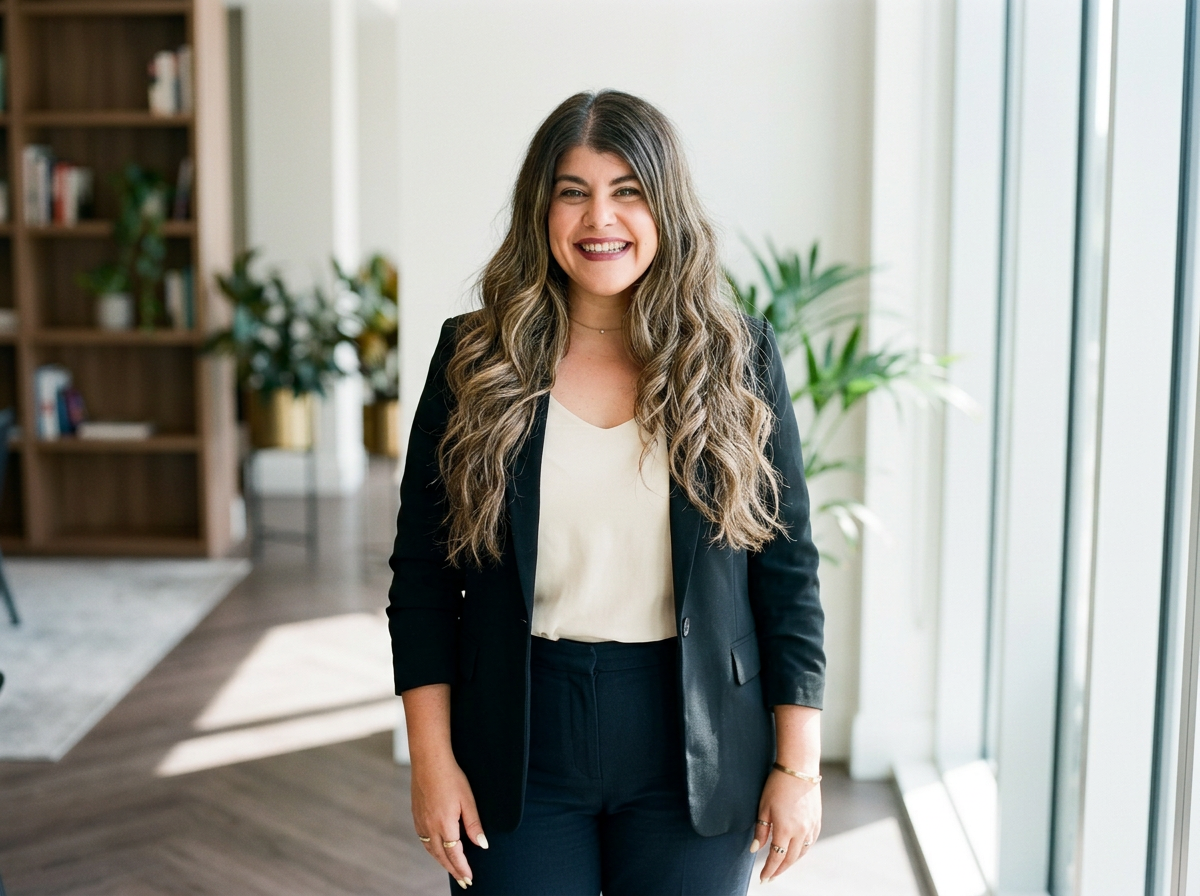
Dr. Stella Dentakos is a clinical and health psychologist at SickKids. She founded Whole Kids Health, a private practice built to bring health psychology into the community and to teach more clinicians how to do this work.
She trains and supervises both hospital residents and community clinicians. Her work spans the full path of care, from acute care in a tertiary hospital back to school, home and the neighbourhood.
She also gives guest lectures at TMU, York and the University of Guelph.
Read Dr. Stella’s story →The investment
The founding cohort rate.
For the June 2027 cohort only, every rate is 20% off. There are fifteen founding seats.
Standard
$1,440
Regularly $1,800
Supervised practice and early career
$1,240
Regularly $1,550
Students
$1,040
Regularly $1,300
Supervised practice, early-career and student rates require proof of status at registration. Early career means within two years of autonomous or full registration.
- 30 hours of live, small-group teaching
- Case-based learning throughout
- A cohort capped at 15 clinicians
- A certificate and completion letter from Dr. Stella
Every cohort holds at least one sponsored seat for a student through the Student Access Program.
Student Access Program
Supporting the next generation
I remember what it felt like to be in training. Workshops were expensive. Advanced training felt out of reach. I see the same barriers now in the students I supervise.
Dr. Stella
Sponsored seats
Every clinician training program holds at least one sponsored seat for a student, including the founding cohort.
A reduced student rate
Graduate students pay a reduced rate: $1,040 for the founding cohort, with proof of enrolment.
Questions
Before you join.
Who is the program for?
Psychologists, mental health providers and trainees who want to build skills in pediatric health psychology, whether this work is new to them or part of their practice.
When does the first cohort start?
The first cohort begins in June 2027. Join the list to hear about dates and registration before anyone else.
Are sessions recorded?
No. Sessions are live and interactive. Participants may miss no more than one session to pass the final evaluation and receive the certificate and completion letter.
What does it cost?
Standard tuition is $1,800. Psychologists in supervised practice and early-career clinicians pay $1,550. Students pay $1,300. The June 2027 founding cohort is 20% off every rate: $1,440, $1,240 and $1,040. Reduced rates require proof of status.
What if I need to cancel?
Withdraw 60 or more days before the start for a full refund, less a $100 administration fee. From 30 to 59 days, choose a 50% refund or a transfer to the next cohort. Under 30 days, your seat can be transferred to another clinician or to the next cohort. If Dr. Stella cancels or postpones, you choose a full refund or a transfer.
Is there support for students?
Yes. Every clinician training program holds at least one sponsored seat for a student. Graduate students also pay a reduced rate.
Does it count toward continuing education?
Continuing education details will be shared at registration.
Is the program recognized by the College?
Yes. In 2023, the Registration Committee of the College of Psychologists and Behaviour Analysts of Ontario approved this course as a graduate-level course equivalent in child and adolescent health psychology.
JOIN THE FIRST COHORTBe first in line for June 2027.
Fifteen clinicians per cohort. Join the list to hear about registration first.
Hospitals and group practices can also bring this training in-house.
Teaching and supervisionGuest lectures and supervision
Guest Lectures
Dr. Stella gives guest lectures in clinical and health psychology courses, bringing what she sees in practice into the classroom. Course instructors are welcome to reach out.
Request a guest lecture →
Clinical Supervision
Clinical supervision for students and registered clinicians runs through Whole Kids Health, Dr. Stella’s clinical practice. Visit the clinic site for details.
Visit Whole Kids Health →